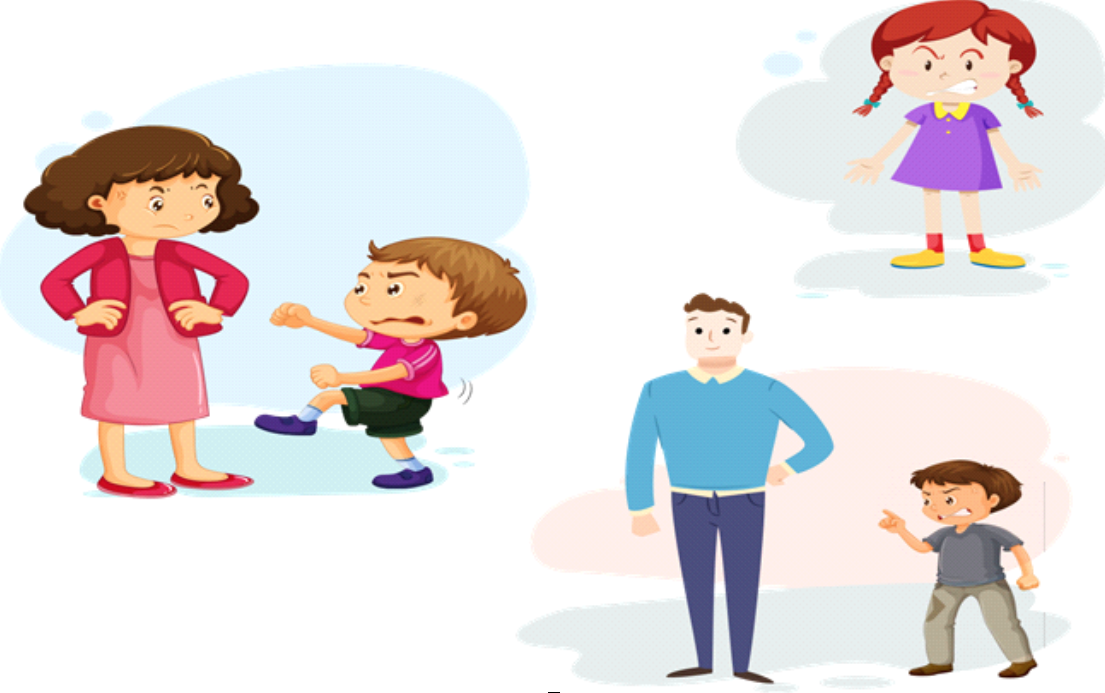
Example: Although it is conventional to investigate psychological mechanisms by studying human behaviour, it is argued here that evidence for the constructs modeled by relations can be sought in an analysis of the linguistic resources available for marking them explicitly in text.
fr: comportement
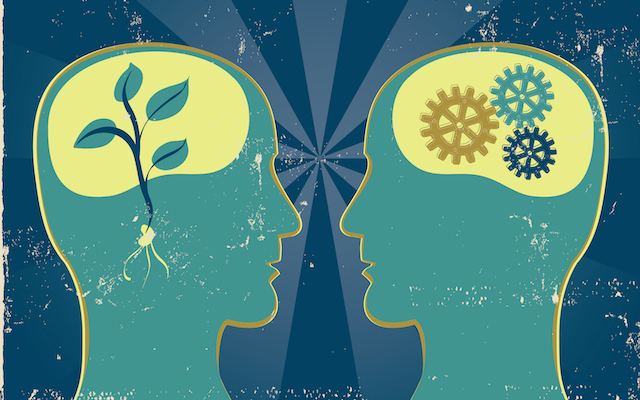
brain
noun
The portion of the vertebrate central nervous system that is enclosed within the cranium, continuous with the spinal cord, and composed of gray matter and white matter. It is the primary center for the regulation and control of bodily activities, receiving and interpreting sensory impulses, and transmitting information to the muscles and body organs. It is also the seat of consciousness, thought, memory, and emotion.
Example: A brain should be able to support a mental life is beyond the reach not only of our science but of our imagination.
fr: cerveau
case study
noun
A detailed analysis of a person or group, especially as a model of medical, psychiatric, psychological, or social phenomena.
Example: Case studies are descriptions of real people Those individuals are studied intensively and are often written about in medical journals and textbooks.
fr: étude de cas
cognitive development
noun
A field of study in neuroscience and psychology focusing on a child's development in terms of information processing, conceptual resources, perceptual skill, language learning, and other aspects of brain development and cognitive psychology compared to an adult's point of view.
Example: Roughly speaking, children under five or six years often fail to solve problems of comparison containing such terms, while older children evince no such difficulty. Donaldson and Balfour (1968) showed that when three - and four - year - old were shown two model apple - trees, with five apples on one, say, and three on the other, they consistently chose the tree with five if asked to judge which had more. When asked to judge which tree had less, they again chose the tree with the greatest number of apples.
fr: développement cognitif
denial
noun
An unconscious defense mechanism characterized by refusal to acknowledge painful realities, thoughts, or feelings.
Example: When we cry all the time but then tell everyone we aren't sad.
fr: déni
diagnose
verb
To determine the identity of (a disease, illness, etc.) by a medical examination.; To ascertain the cause or nature of (a disorder or problem) from the symptoms.
Example: The items in this inventory were modeled on the list of symptoms used by psychiatrists to diagnose the borderline condition of "schizotypal personality disorder" referred to earlier, but toned down for use with non - clinical populations.
fr: diagnostiquer
diagnosis
noun
The act or process of identifying or determining the nature and cause of a disease or injury through evaluation of patient history, examination, and review of laboratory data.
Example: Our aim was to determine whether our authors met the criteria for any of these forms of psychosis and, if so, to ascertain in each case which diagnosis provided the best description.
fr: diagnostic
ego
noun
In psychoanalysis, the division of the psyche that is conscious, most immediately controls thought and behavior, and is most in touch with external reality.
Example: Millett writes, When, in any group of people, the ego is subjected to such invidious versions of itself through social beliefs, ideology and tradition, the effect is bound to be pernicious.
fr: ego
empathy
noun
The ability to identify with or understand the perspective, experiences, or motivations of another individual and to comprehend and share another individual's emotional state.
Example: The self - esteem of the individual learner of sign language must therefore be particularly strong and will be apparent in his convictions as well as in the ability to exhibit EMPATHY in relation to the other users of the language.
fr: empathie
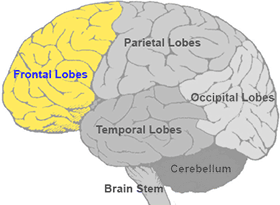
frontal lobe
noun
The largest and forwardmost part of each cerebral hemisphere. It controls voluntary muscle activity and contains, usually on the left side, the area that controls the ability to produce speech.
Example: The frontal lobes are important for voluntary movement, expressive language and for managing higher level executive functions.
fr: lobe frontal
group therapy
noun
A form of psychotherapy that involves sessions guided by a therapist and attended by several clients who confront their personal problems together. The interaction among clients is considered an integral part of the therapeutic process.
Example: Common group therapy activities can include, Icebreaker activities that help group members get to know one another. Gratitude activities, such as mapping different aspects of their life that they are thankful for. Sharing activities, where group members ask one other questions.
fr: thérapie de groupe
isolation
noun
The failure of an individual to maintain contact with others or genuine communication where interaction with others persists.
Example: All types of social isolation can include staying home for lengthy periods of time, having no communication with family, acquaintances or friends, and/or willfully avoiding any contact with other humans when those opportunities do arise.
fr: isolement
multiple personality disorder
noun
A psychiatric disorder in which two or more distinct personalities exist in the same person, each of which prevails at a particular time.
Example: Formerly known as multiple personality disorder, this disorder is characterized by "switching" to alternate identities. You may feel the presence of two or more people talking or living inside your head, and you may feel as though you're possessed by other identities.
fr: syndrome de personnalités
patient
noun
One who receives medical attention, care, or treatment.
Example: If it is the simple physical characteristics of a stimulus that play the key role in generalizations about behaviour, then we might expect to find PATIENTs who have lost the ability to lip - read and lost the ability to judge expression, but not PATIENTs who have lost only one of these two abilities while retaining the other.
fr: patient(e)
post-traumatic stress disorder
noun
A psychological condition, characterized by anxiety, withdrawal, and a proneness to physical illness, that may follow a traumatic experience.
Example: The concept of neurosis was replaced by new diagnoses of panic disorder, generalized anxiety disorder, social phobia and post-traumatic stress disorder.
fr: syndrome de stress post- traumatique
psychologist
noun
A practitioner who studies behavior and the way in which the mind actually works.
Example: It allows the psychologist to determine whether the subject has detected a change in a stimulus or can discriminate between two stimuli.) Initially the subject will attend to a new stimulus but will then gradually lose interest and start to look away (habituation); if the stimulus is then changed in some way and if, this causes a re - awakening of interest (dis habituation) then we can assume that the baby has detected the change.
fr: psychologue
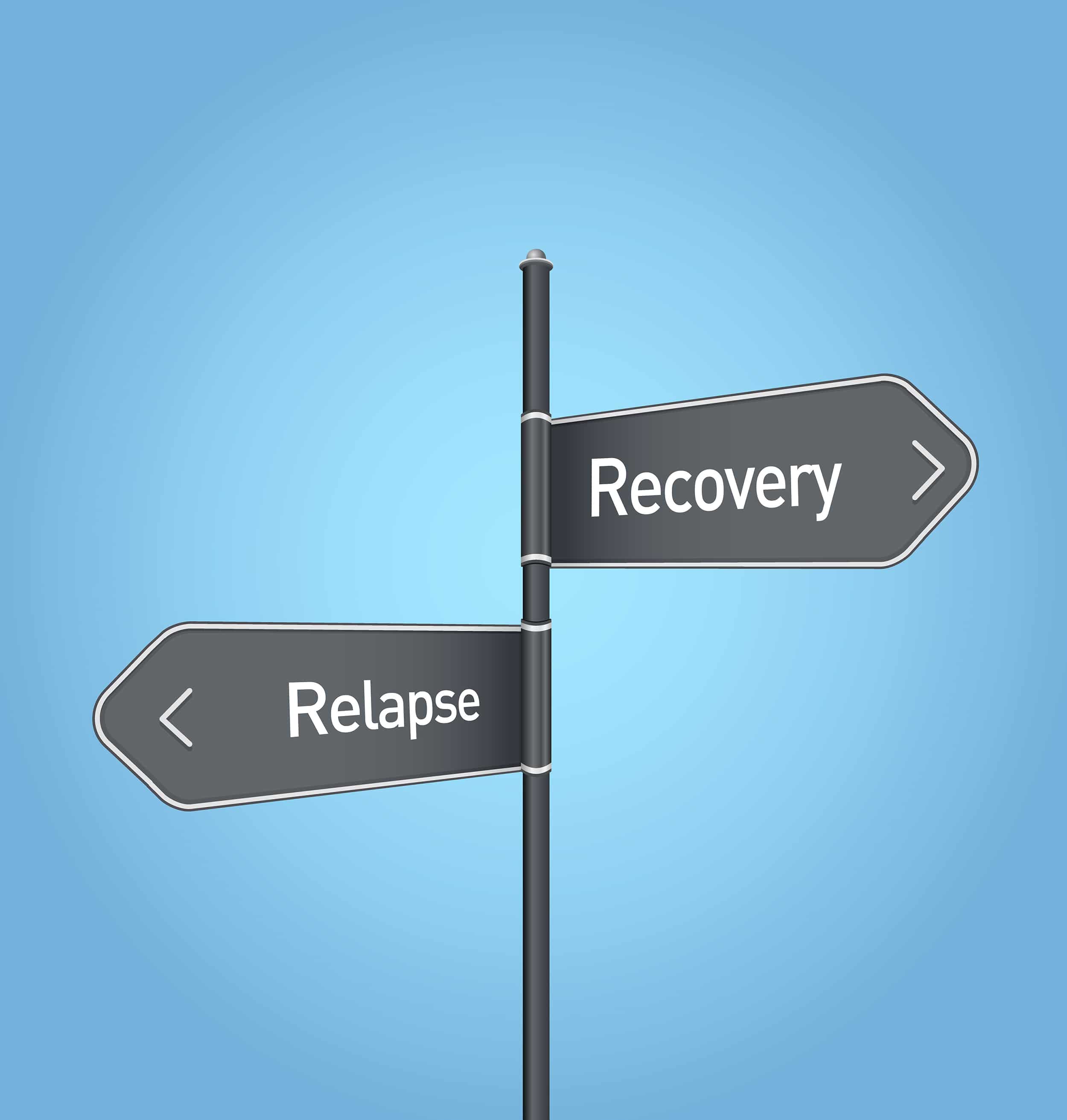
relapse
verb
illnesses, such as schizophrenia, and other medical disorders.
Example: The cognitive behavioural strategies for the engagement, treatment, and relapse prevention of drug abusers has been described fully in Scott (1989a) and Scott (1989b), whilst Cole (1989) has detailed the specifics of a cognitive - behavioural approach to the problems of offenders.
fr: rechuter
social norm
noun
The accepted behavior that an individual is expected to conform to in a particular group, community, or culture.
Example: Within a social circle in which direct expression of crude prejudice is not discouraged, one can find, nevertheless, an argument which draws upon the prevailing images, or social norms, of prejudice.
fr: norme sociale
suicidal tendencies
noun plural
The propensity for a person to have suicidal ideation or to make suicide attempt.
fr: tendances suicidaires
therapy
noun
The treatment of physical, mental, or social disorders or disease.
Example: Each will expand to contribute to a wide variety of approaches to children and families, such as preventative work, rehabilitation, substitute care, and therapy.



:max_bytes(150000):strip_icc()/illo_id-ego-superego-599dc5e3c41244001354e25f.png)